
We organised the Nature Based Art colony, which brought together ten artists of diverse interests and styles. They all shared one thing in common: inspired by nature, they created various artworks about it, proving that nature also offers this profouns ecological service—inspiring artists.
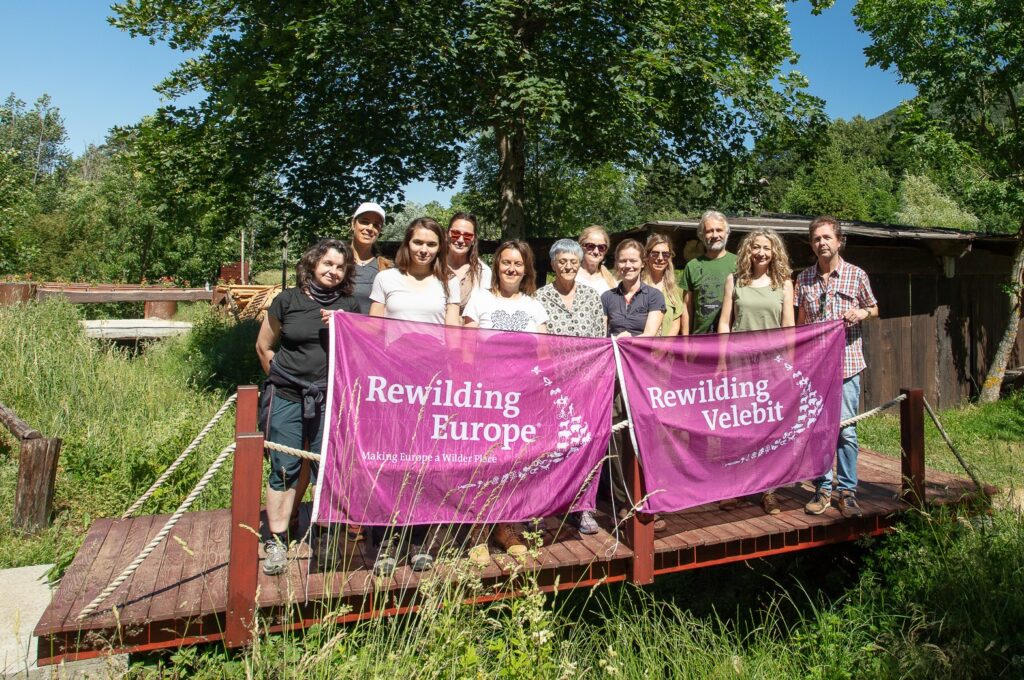
The stunning setting of central Velebit, perfect weather, a fantastic atmosphere, and wonderful works characterised Nature Based Art, our first art colony. It took place over three long days at the end of June at Camp Velebit, right at the edge of the forest and mountain. The setting was so striking that it prompted one artist to completely abandon her initial plan and create a brand-new piece, painting the impressive scenery that surrounded her.
Nature was one of the very first motifs in visual art—one only needs to recall prehistoric cave drawings of aurochs across present-day Europe—and it remains a lasting source of inspiration in all its richness and beauty. Velebit is packed with natural masterpieces, from the village of Oltari to the Zrmanja River, making it perhaps the most beautiful gallery in the Mediterranean. We decided to pause for a moment and capture a fraction of that beauty at the Nature Based Art colony, while also establishing this special relationship between humans and nature.
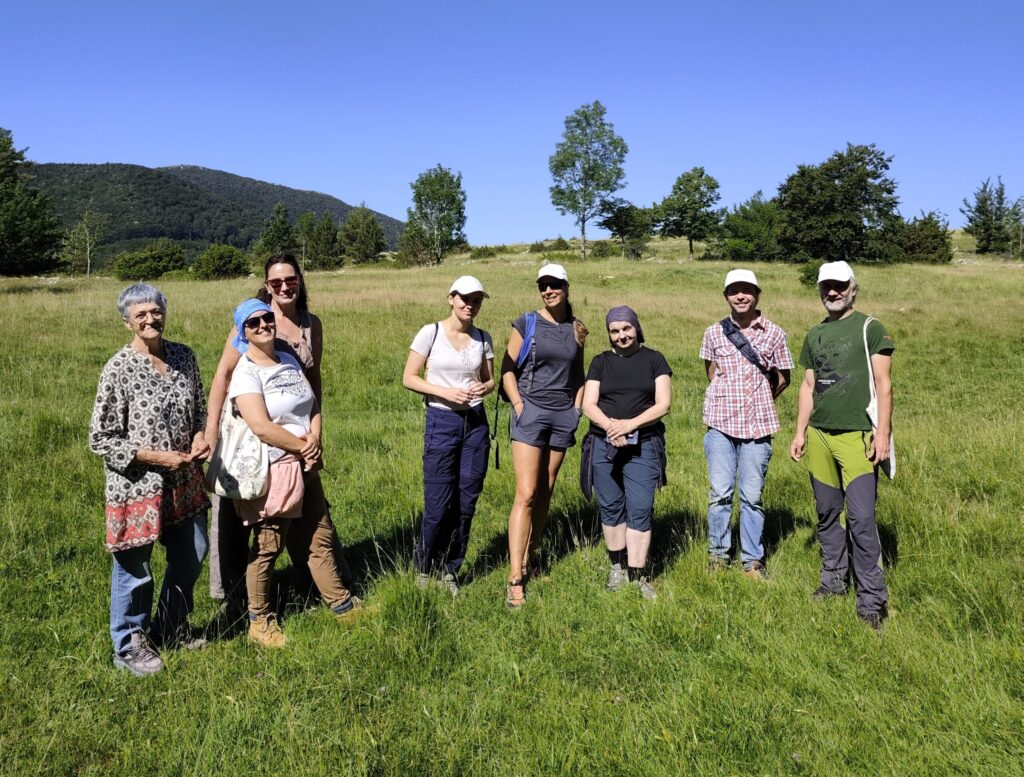
The colony welcomed artists of various styles and backgrounds from the cities of Koprivnica, Šibenik, Varaždin, Osijek, and Zagreb. Everyone’s task was to surrender to the inspiration of the setting and create works centered on the theme of nature. The results are as diverse as they are unique.
Kristina Antolić, a graphic artist, used the cyanotype process (the same technique once used for early photography) to create a triptych featuring motifs of natural objects found on site. Krešimir Rajki, a puppet maker, created a piece titled ‘Artists vs. Ideas’, depicting the dynamic relationship between the artist and the initial concept, where the idea is always the element that guides the final work and triumphs in the end.
Jasmina Pacek, an art teacher and art therapist, painted beautiful canvases with motifs of the sea, islands, and Velebit’s round rocky peaks (called hips). Ana Armano Linta, an industrial designer, embarked on a fascinating process of deriving pigments using bacteria and egg yolks, which she then used to paint her piece. Jelena Martinović, an academic painter, was inspired by the Velebit landscape and semi-wild horses, capturing them on her vibrant, colorful canvases.
Ljiljana Fabijanić, a retired medical doctor and versatile artist, created a work at the intersection of sculpture and mobile art, using exclusively materials she gathered in the forest where the piece was being made. Tatjana Paunović, an architect, authored several paintings portraying motifs directly from the location.
Anamarija Šerbetar, a puppet maker, used printmaking techniques with plants gathered at the venue to produce a series of works depicting Velebit flora in both positive print and photo negative.
Siniša Uštulica, a photographer, captured a long-exposure photograph of the night sky above Kiza peak under bright moonlight, showing the rotation of the night sky around the celestial north pole. Jasna Šprajc, a painter, also seized the opportunity to paint scenes directly from the location.
Nature Based Art demonstrated that alongside all its other ecosystem services, nature also provides the ultimate service of inspiring artists to create art—one of the highest expressions of the human mind, skill, and emotion. At its core, rewilding nurtures the connection between humanity and nature. At the Nature Based Art colony, this delicate yet powerful relationship was established, leaving behind artworks as permanent proof of this vital bond that benefits nature, and especially humans.
Text: Kruno Bošnjaković
Take a look at the photo gallery of finished artworks and sketches:


